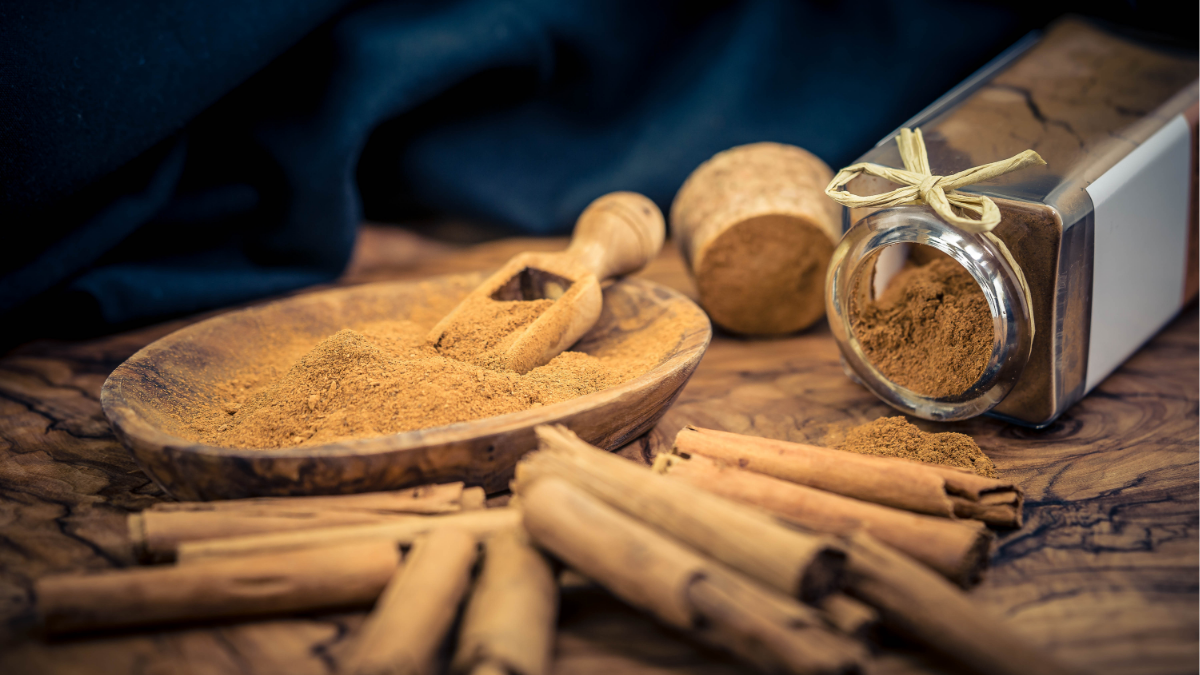

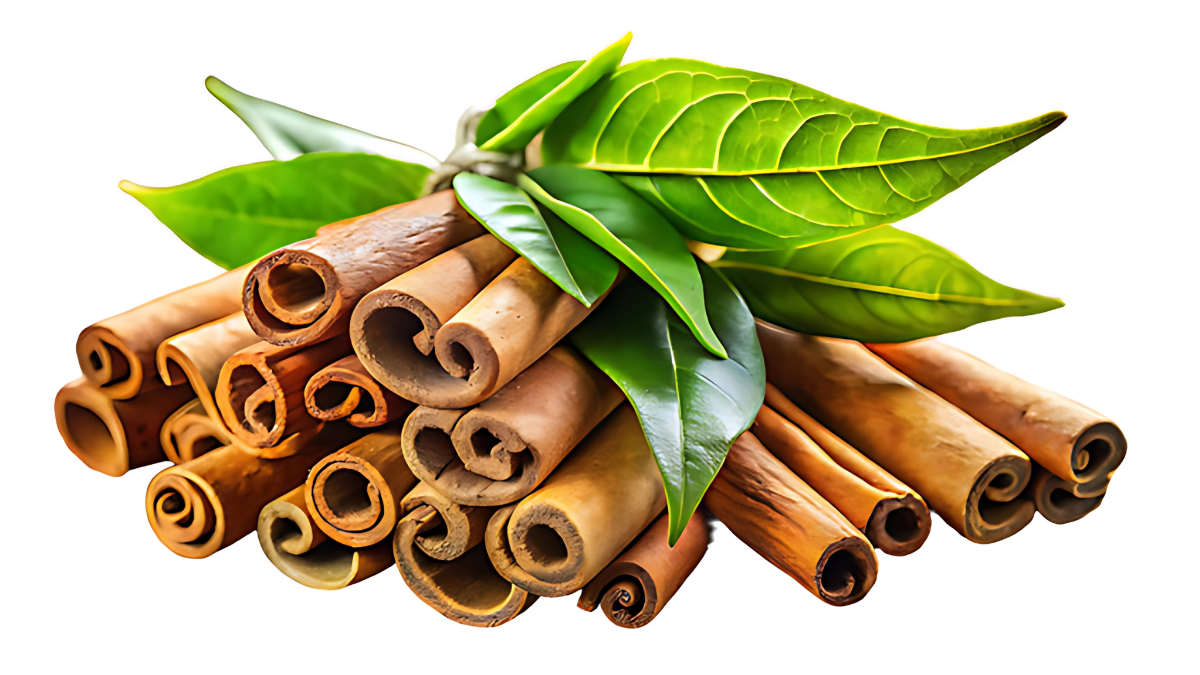
If you wish to pursue a small-scale farming venture with profitability prospects, learning how to grow cinnamon could well be the one for you. Apart from being a staple spice found in any kitchen, cinnamon is known to offer a host of health benefits too. Cinnamon is a spice extracted from the tree species Cinnamomum verum which originates from the tropical island of Sri Lanka. The farmers in other parts of the world including India, Vietnam, and Indonesia have started to cultivate cinnamon because of its popularity both at home and commercially. And this is what makes cinnamon farming appealing to many new farmers.
For anyone who wants to venture into cinnamon farming, you must first ensure that the soil is fertile and well-drained, while at the same time offering the tree with a warm and humid environment. The farmers generally propagate the plant using stem cuttings, with the tree taking 2–3 years to become fully mature. After the complete maturity of the tree, the outer bark of the tree is stripped off and the inner portion is left to dry. This dry portion can later on be sold in the market as cinnamon powder or sticks.
Content
Various Cinnamon Varieties: Choose the Best One
It is necessary to know the varieties of cinnamon before starting cultivation so that you can select the right one based on your geographical location:
1. True Cinnamon (Ceylon cinnamon): Also known as Cinnamomum verum, true cinnamon comes from Sri Lanka and is considered superior quality cinnamon because of its mild and sweet taste.
2. Cassia Cinnamon: Also known as Cinnamomum cassia, this variety originates from China and is readily available in America due to its stronger and spicy taste, which makes it popular in cooking.
3. Indonesian Cinnamon: This cinnamon variety is found in Indonesia, also known as Korintje cinnamon. It has reddish brown color along with rich spicy taste.
4. Vietnamese Cinnamon (Saigon cinnamon): The high content of oil makes Vietnamese cinnamon very strong and intense in terms of its taste.
5. Indian Cinnamon (Malabar cinnamon): The origin of this cinnamon is Western Ghats of India and is known for its sharp taste along with being used in the preparation of Ayurvedic medicines.
6. Chinese Cinnamon (China Type): Belongs to the cassia variety and is mainly produced in China. The taste of this type is strong, compared to Ceylon cinnamon.
What Is the Right Climate and Soil for Growing Cinnamon Trees?
First, for growing cinnamon, it is necessary to know about its climatic and soil requirements. It needs a warm climate and soil conditions characterized by moderate temperatures, moisture, and consistent rains. The best temperature range for growing this tree is 20°C – 30°C per year with an annual rainfall of at least 2000 – 3000 mm. Also, it is important to note that cinnamon trees do not survive in low temperatures and frost; therefore, it shouldn’t be grown in places where it stays below 15°C.
In terms of soil, it prefers to grow on fertile soil with good drainage. The best types of soils for the cinnamon trees are sandy loam and clay loam soils that contain organic matter. The optimal pH range for growing these trees is from 5.5 to 7.0.
Location Selection and Soil Preparation – Key Elements of Cinnamon Planting
If you plan to cultivate cinnamon trees in India, the most important thing you must do is selecting an appropriate area which offers perfect climatic conditions for cinnamon cultivation. This should be a tropical area having warm temperature, humid climate, and enough rainfall. Cinnamon grows well in rich soil with a pH range of 5.5 – 7.0. The ideal soil type is sandy loam or clay loam, which allows good water drainage.
Cinnamon plants love sunlight but at the same time, they need protection against excessive wind. As the name suggests, cinnamon needs a lot of cinnamon and cinnamon should be protected from high winds, especially when it is still young.
Key Points for Location Preparations:
- Old vegetation must be removed from the land.
- Test the soil drainage and make improvements wherever needed.
- Soil testing should be carried out to know about its nutrient content and pH level.
- Finally, mix necessary ingredients in the soil before planting cinnamon seeds/seedlings.
Simple Ways of Growing Cinnamon Trees
The most frequently used method of growing cinnamon trees is by using seeds. But then again, if you have just started growing cinnamon trees, methods like stem cutting and layering may also prove to be easy ways of propagating the plants.
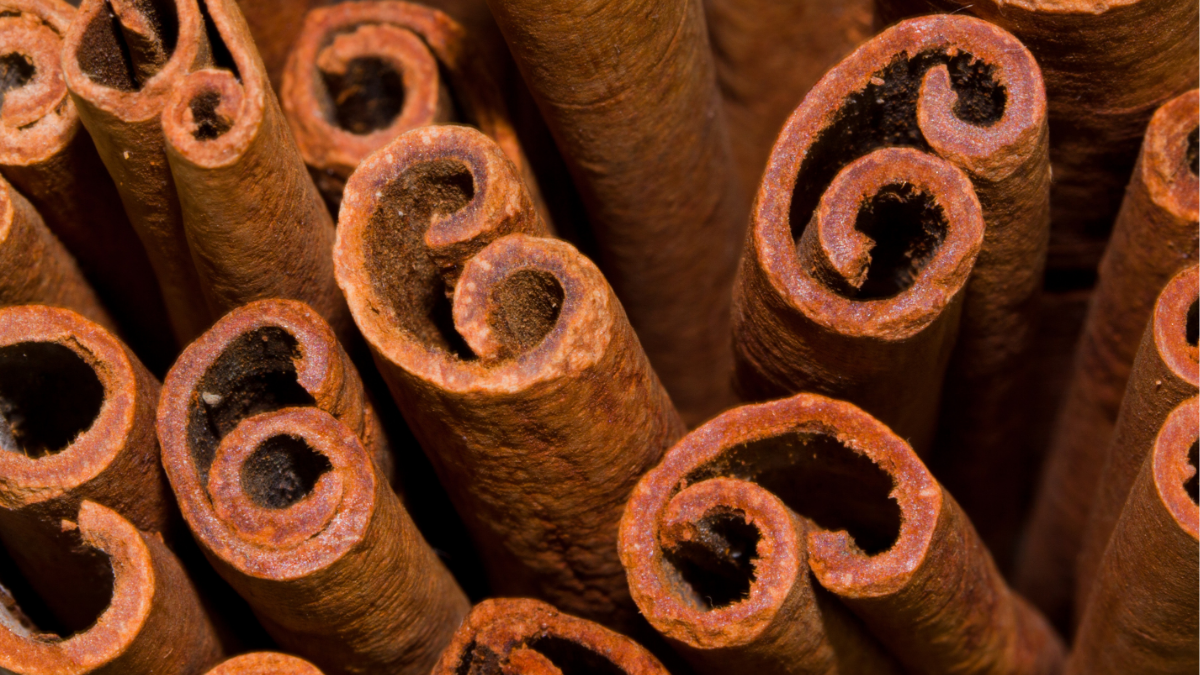
Growth of Cinnamon Plants through Stem Cuttings
In case you wish to cultivate your cinnamon plants through stem cuttings, you need to follow the procedure as mentioned below:
- First of all, you have to select one healthy, matured branch of a cinnamon plant.
- Cut 6-8 inches of the selected stem using a sharp knife having 2-3 nodes.
- Then you need to strip off its bottom portion and dip the base in the rooting hormone solution.
- After that you should plant the branch in the pot and maintain some moisture level in the soil.
- The pot should be placed in a humid and warm environment.
- Rooting takes place within 4-6 weeks after which the plant may be shifted to the pot or filed.
Propagation of Cinnamon Plants Using Layering
Another propagation method is layering, which is useful in case you wish to grow roots but do not separate the branch from the main tree.
- Choose a pliable branch from a strong cinnamon plant and then scrape off the skin on the lower portion of the branch.
- Then use rooting hormones on the exposed area.
- Afterwards, cover the area with wet soil or sphagnum moss.
- Then use a U-pin or wire to hold down the covered portion to ensure stability.
- Moisten the medium until roots develop.
- After the development of roots, cut away the branch from the main plant and replant it either in a pot or in the field.
Methods of Growing Cinnamon Plants and Distance Between Cinnamon Trees
How Do You Maintain Proper Distance Between Each Tree and Row?
While initiating cinnamon farming, ensuring that there is appropriate spacing between cinnamon trees is highly essential. Adequate spacing will help the cinnamon trees have enough space, sunlight, and nutrients required for their proper development.
- Ensure that there is an appropriate spacing of 2.4-3 meters between cinnamon trees on a particular row.
- Ensure that there is 3-4.5 meters of spacing between rows since it will allow you to harvest, prune, and manage any possible pests effectively.
This spacing will allow cinnamon trees to get enough sunlight, air circulation, and even nutrients.
Number of Cinnamon Plants per Acre
The number of cinnamon plants that one can cultivate per acre is entirely dependent on the spacing maintained between plants.
- By maintaining 10-foot distance between rows and 8 feet distance between individual plants, you can grow about 545 cinnamon plants per acre.
One can increase their plantation success by adjusting the number of plants planted per acre based on soil fertility, weather conditions, and irrigation facility.
Optimum Irrigation Methods for Cinnamon Plants
Irrigation plays an important role right from the onset in order to promote optimal growth of cinnamon plants. In the first year, which is the period in which the plants establish their root system, irrigation should be done regularly about 2-3 times a week. This should be done more often especially during dry periods so that the soil will not become too dry and facilitate proper root development.
During the period between the second and fifth year, irrigation should be done based on the need of the plants and also the climatic condition. At this point, watering every 7-10 days should suffice. Ensure the watering reaches at least 18-24 inches below the surface in order to provide adequate moisture to the deep roots.
After five years, when the tree reaches maturity, the frequency of watering can be done once in every 10-14 days. This however depends on rainfall and the moisture content of the soil.
Best Irrigation Methods for Growing Cinnamon Plants
- Drip Irrigation System: Water goes straight to the roots hence conserves a lot of water.
- Mulching: Ensures the soil remains moist at all times.
- Soil Moisture Checking: Consistently test soil moisture to decide when irrigation should be done.
Fertilizer Application for Nutrient Management in Cinnamon Trees
Nutrient management plays a crucial role when cultivating cinnamon trees because it is important in ensuring that the trees are healthy and producing high-quality bark. The most needed macronutrients are nitrogen, phosphorus, and potassium, and the needed micronutrients are calcium, magnesium, sulfur, iron, manganese, zinc, copper, boron, and molybdenum. The amount of nutrients required by a tree depends on factors such as the age of the tree, its size, and climatic conditions. For this reason, a soil test should be performed to determine which nutrients are deficient.
As the young trees grow, they should be provided with 0.5 to 1 pound of nitrogen per annum to develop healthy leaves and branches. Each tree should be supplied with 0.25 to 0.5 pounds of phosphorus annually to enable it to have a robust root system. In addition, the application of potassium in amounts ranging from 0.25 to 0.5 pounds per tree every year ensures that the trees are more disease-resistant and the bark is high-quality.
Protection against Pests and Diseases
Pests Attacking the Cinnamon Plant
1. Cinnamon Scale (Cinaspis zeylanicum)
Damage:
It results in yellow spots on the leaves and causes damage to the stems, hence impeding the growth of the plant. In addition, infestation can affect the quality of the bark.
Control Measures:
Apply either horticultural oil or insecticidal soap to eliminate scale pests. The natural predators include the use of beneficial insects like the lady beetles. Severely affected parts of the plant should be removed and destroyed.
2. Mealybugs
Damage:
They pierce into the bark of the tree and suck their fluids, resulting in yellowing and curling of the leaves. Moreover, mealybug honeydew stimulates the growth of sooty mold, which hinders photosynthesis.
Control Measures:
Effective control measures involve using products such as neem oil, insecticidal soaps, and horticultural oils. Biological methods such as the use of lacewings and parasitic wasps have been found to be very effective.
3. Cinnamon Gall Midge (Asphondylia spp.)
Damage:
The galls that appear in the larval stage distort leaves and twigs of the plant. This ultimately affects the efficiency of the plant’s ability to conduct photosynthesis.
Control Measures:
Immediately remove and burn any parts that have become infected. Systemic insecticides can be applied in serious situations, but biological control using parasitic wasps is another viable solution.
Cinnamon Tree Planting Common Diseases
- Cinnamon Leaf Spot Disease (Pseudocercospora cinnamomi)
Impact:
This disease forms brown or blackish spots on the leaves. Slowly, the leaves begin to drop, decreasing photosynthesis ability.
Prevention:
Application of copper or sulfur based fungicides for prevention of the disease. Water accumulation on the leaves should be avoided along with maintaining proper ventilation of the field. Overhead watering system such as sprinkling and spraying should be avoided.
- Powdery Mildew (Phyllactinia corylea)
Impact:
The symptoms of this disease include development of white spots on the leaves. It may lead to early defoliation and degradation of bark quality.
Prevention:
Fungicides containing sulfur, neem oil, and potassium bicarbonate should be used to control the disease. Infected leaves should be removed from the tree.
- Cinnamon Bark Canker (Phomopsis cinnamomi)
Impact:
This disease causes the formation of sunken white colored lesions on the bark, making the overall health of the plant poor and decreasing bark production.
Prevention:
In case of infection, pruning and destruction of infected branches will be necessary. Copper-based fungicides should be applied immediately.
- Root Rot (Phytophthora spp.)
Damage:
Root rot results in wilting, eventually leading to death. Root rot is mainly due to excess water accumulation in the soil or waterlogging.
Management :
Proper drainage in the field is important, as well as avoiding overwatering. In case of occurrence of the disease, use of phosphonate fungicides.
Methods of Weed Management
Proper management of weeds is highly essential in growing cinnamons since the weeds are known to compete with the plants on the available nutrients thus inhibiting their growth. You may practice weed management through the use of mulching, manual weeding or mechanical methods. Approved herbicides can also be applied but sparingly. Other effective ways of avoiding weed growth include the maintenance of proper plant spacing, use of cover crops and clean fields.
Pruning and Training of Cinnamon Trees
It is highly recommended that you prune the trees when they are still dormant. This can be done towards the end of winter or the beginning of spring. During this period, the trees are able to concentrate on growth in terms of producing more shoots and quality bark.
Methods of Harvesting and Their Time
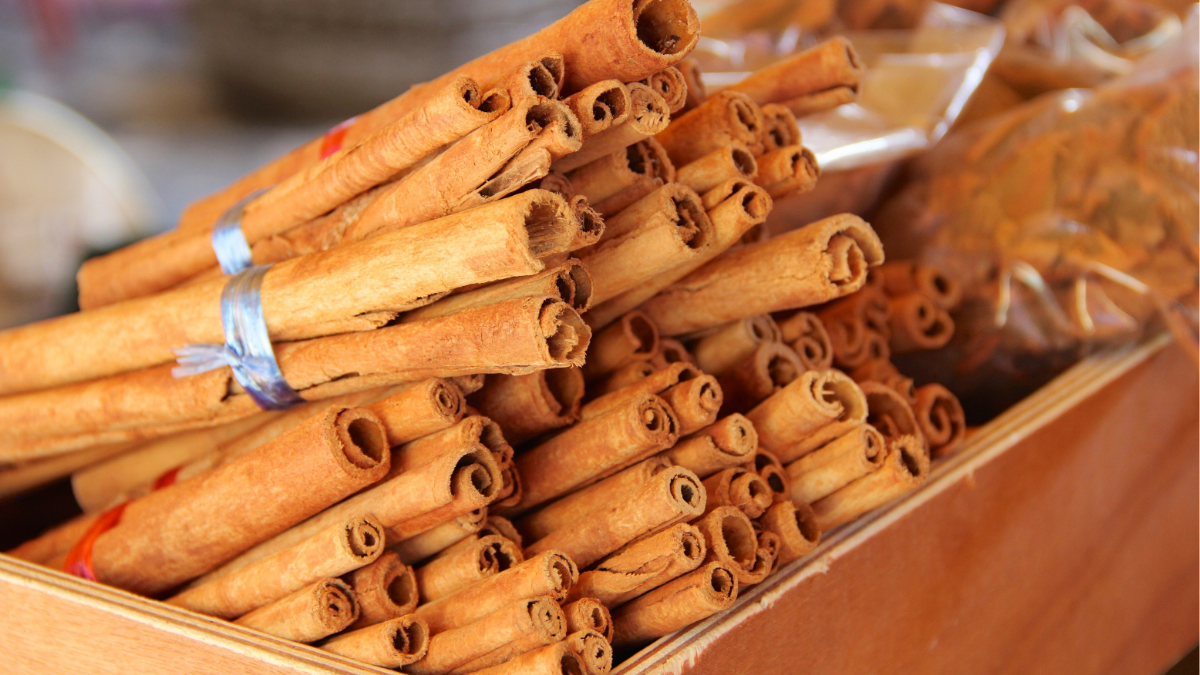
The harvesting of cinnamon is ideally done during times when the inner bark is well-developed and has the maximum quantity of essential oils. Such development normally happens after the monsoons. For harvesting, morning is ideal as the moisture content in the bark is balanced. Sharp tools are used to strip off the bark from the bottom to the top of the branch. The bark strips obtained are then dried and curled up to make quills.
Average Yield of Cinnamon
The annual yield of cinnamon harvested from a mature cinnamon plant is estimated to be between 500 to 1000 kilograms of bark per hectare. This amount can be raised through good maintenance practices and farming strategies.
Processing and Drying Techniques
Once harvested, the outer part of the cinnamon bark is stripped off, leaving behind only the inner bark that constitutes the true cinnamon. The drying process of this inner bark can take place either in the sun or in an oven maintained at a low temperature. High temperatures must be strictly avoided because high temperatures might affect the taste of cinnamon. After the drying process, the cinnamon is formed into rolls or quills and gets ready to undergo processing.
Marketing and Sales of Cinnamon
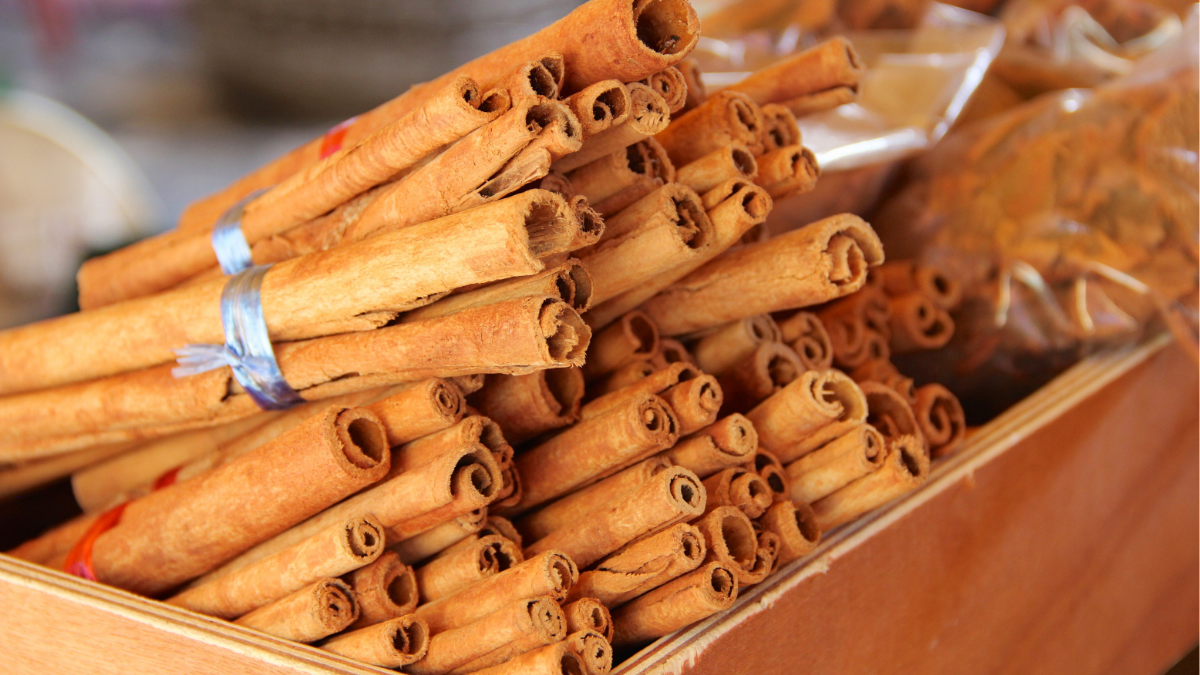
Cinnamon products can be sold either in local markets or even directly from your website. Cinnamon’s selling price will be dependent on quality, packaging, and demand for it. If you are able to pass the right information about your cinnamon’s quality and other benefits to your customers, then your identity will be established in the market. It is also advisable that you explore the option of exporting your products for better sales.
Read More: Advantages of Cinnamon: A Wealth of Taste, Health, and Medical Attributes