

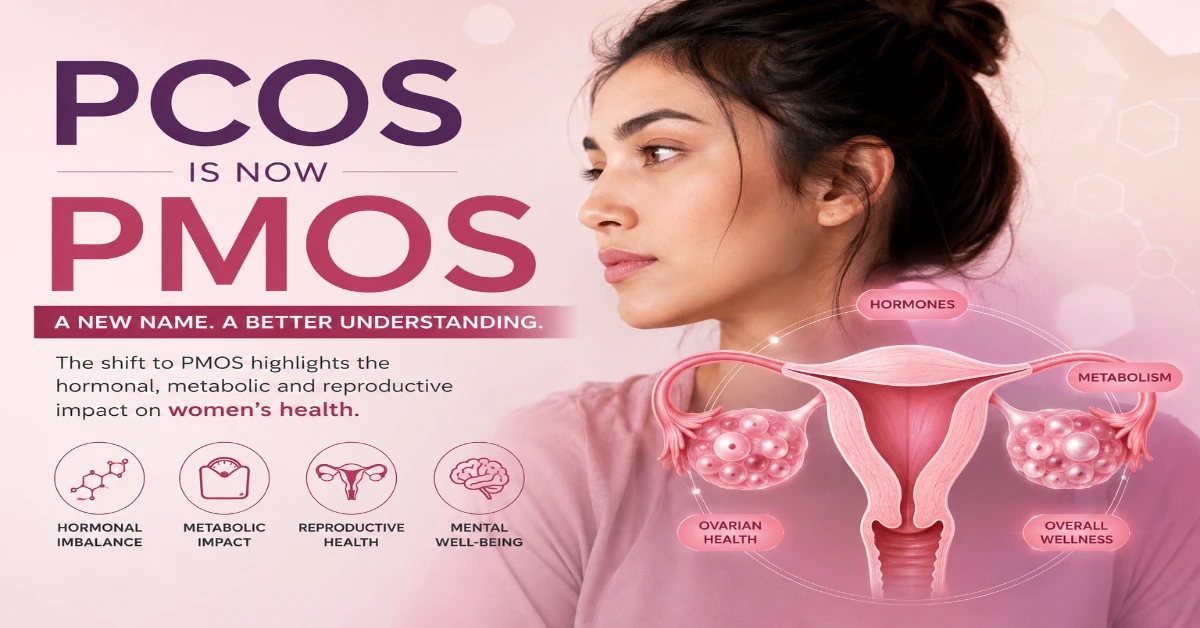
In a major development in women’s healthcare, experts have officially renamed Polycystic Ovary Syndrome (PCOS) as Polyendocrine Metabolic Ovarian Syndrome (PMOS). The decision comes after years of global research and consultation with medical professionals, researchers, and patient advocacy groups.
The name change aims to better reflect the true nature of the condition, which affects much more than just the ovaries. Medical experts say the older term “PCOS” was often misleading because many women diagnosed with the condition do not actually have ovarian cysts.
According to researchers, PMOS is a complex hormonal and metabolic disorder that can impact fertility, insulin levels, weight, skin health, mental health, and cardiovascular health. The updated terminology highlights that the condition involves multiple endocrine and metabolic systems rather than being limited to gynecological symptoms alone.
Health experts believe the new name could improve awareness and diagnosis rates. Studies suggest that nearly 70% of women with the condition remain undiagnosed due to confusion surrounding symptoms and outdated perceptions associated with PCOS.
The renaming process reportedly involved more than 50 international medical and patient organizations and followed over a decade of discussions and surveys. The updated terminology was recently published in medical literature including The Lancet.
Experts say PMOS symptoms can include:
- Irregular periods
- Acne and excessive hair growth
- Weight gain or insulin resistance
- Fertility issues
- Hair thinning
- Mental health challenges such as anxiety or depression
Doctors also emphasize that the condition should now be approached with a more holistic treatment strategy focusing on hormonal balance, metabolism, reproductive health, and long-term wellness.
The transition from PCOS to PMOS is expected to take place gradually over the next few years as healthcare systems, awareness campaigns, and educational materials adopt the updated terminology globally.
