
In this blog post, we will provide detailed information about the mushroom farming business plan. If you are planning to start mushroom cultivation as a profitable business, you have come to the right place. In recent years, the demand for mushrooms has been steadily increasing, and as a result, the business is expanding rapidly. Due to its growing consumption in the food industry, it has now become an excellent investment opportunity.
In this post, we will explain how to set up a mushroom farm, the initial investment required, the potential profit, and the step-by-step process involved in cultivation. We will also guide you on how to market and sell your mushroom products effectively so that you can get better prices and scale your business quickly.
If you are looking to start a successful mushroom farming venture, this article will serve as a practical and useful guide.
Mushroom Farming Business Plan
Mushroom farming has emerged as an excellent option for starting a low-cost and profitable business in today’s time. This type of cultivation does not require large land holdings or heavy machinery. It can be started on a small scale in your backyard, a room, or a simple shed. In India, the consumer demand for button, oyster, and milky mushrooms is steadily increasing, creating strong income opportunities for farmers and young entrepreneurs. A small mushroom farm can be started with an initial investment of around ₹50,000 to ₹70,000, and the investment can often be recovered within three to five months.
Farmers and young entrepreneurs can earn good profits by selling their products directly to restaurants, hotels, local markets, or through online platforms. The government also supports this sector by offering training, subsidies, and loan facilities, making mushroom farming a strong pathway towards self-reliance and sustainable income generation.
 Follow TJP Whatsapp Channel
What is Mashroom
Mushroom is a type of fungus that grows from spores rather than seeds, unlike regular plants. It thrives in cool, humid environments and is widely consumed as an edible food item.
Mushrooms are highly nutritious and rich in protein, vitamins (especially B and D), fibre, antioxidants, and essential minerals. Due to their high nutritional value, they are considered a healthy food and their demand has been steadily increasing.
There are several edible varieties of mushrooms, with button, oyster, and milky mushrooms being the most popular in India. They are commonly used in vegetables, soups, pizzas, salads, and various other dishes.
From a commercial perspective, mushroom cultivation requires less space, time, and investment, making it a profitable business option for farmers, youth, and aspiring entrepreneurs.
Demand and Market for Mushrooms
In recent times, the popularity of mushrooms has been rising rapidly across the world. As people shift towards healthier and vegetarian food choices, mushrooms have established themselves as a nutritious and tasty superfood. They contain essential nutrients such as selenium, vitamin D, glutathione, and ergothioneine, which help strengthen the body’s immunity and fight diseases. Moreover, the natural umami flavour of mushrooms not only enhances the taste of food but also helps reduce the need for excess salt, which is beneficial for heart and kidney health.
In 2021, the global mushroom market reached nearly USD 50 billion, and experts estimate that it may grow at an annual rate of around 10% by 2030. The United States is the world’s second-largest producer; however, production often falls short of demand. One major reason is the limited shelf life of mushrooms, which makes storage and long-distance transportation challenging. Among the various varieties, button mushrooms remain the most widely consumed, while shiitake and oyster mushrooms are also gaining rapid popularity. In particular, oyster mushrooms, known for their soft texture, mild savoury taste, and antibacterial properties, are becoming one of the fastest-growing varieties among consumers.
Why Start a Mushroom Farming Business?
You can start mushroom farming with very limited resources. It can be done even in places where the soil is not fertile, making it accessible for almost anyone.
Mushroom cultivation does not require sunlight, as mushrooms obtain their nutrition from organic materials. This is why they can be easily grown in closed rooms or indoor spaces.
You can grow mushrooms on shelves or in vertical structures, which allows you to achieve good production even in small areas. This makes farming in limited space both easy and profitable.
When you cultivate mushrooms, you can utilise agricultural waste such as straw, cow dung, and poultry manure and convert it into nutritious food.
This type of farming is not only a source of income but also environmentally friendly, as it helps in recycling agricultural waste.
Mushrooms are highly nutritious, containing good amounts of protein, vitamins, minerals, and antioxidants, while being very low in fat and calories.
If you want to start a sustainable and profitable business with low investment, mushroom farming can be an excellent option. It can increase your income and help you become more self-reliant.
Major Types of Mushrooms Available in the Market
In today’s time, mushrooms are valued not only for their taste but also for their health benefits and versatility in various dishes. Due to their different flavours, textures, and nutritional properties, a wide variety of mushrooms are available in the market and are widely used by consumers.
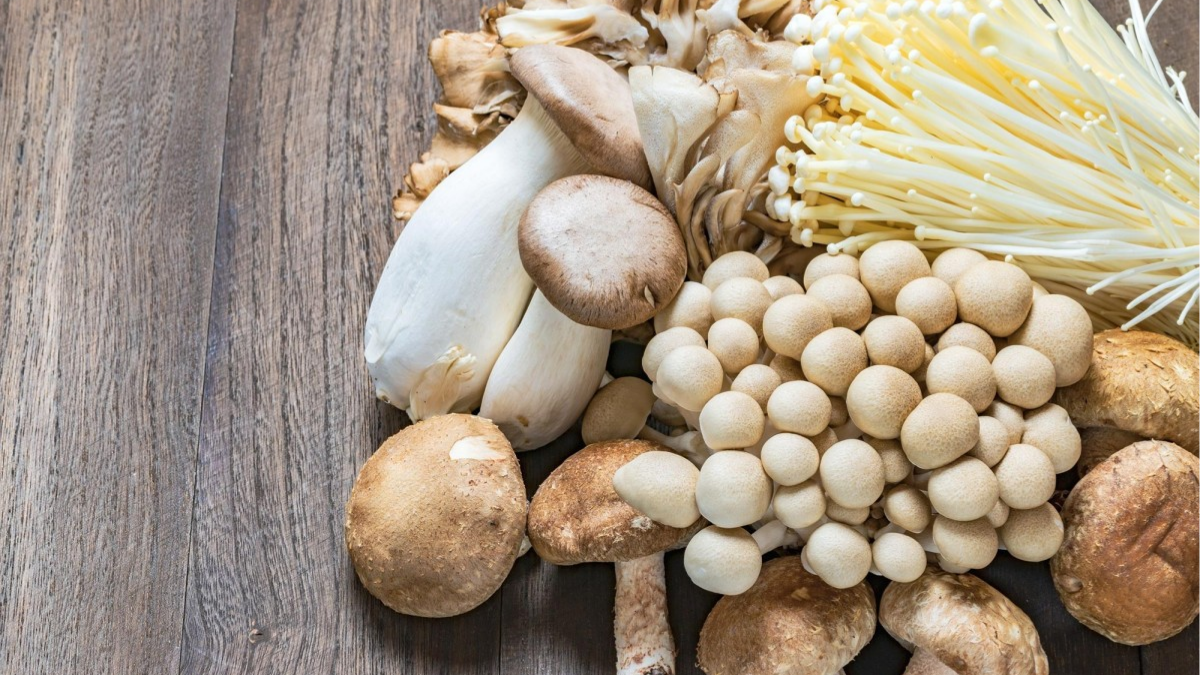
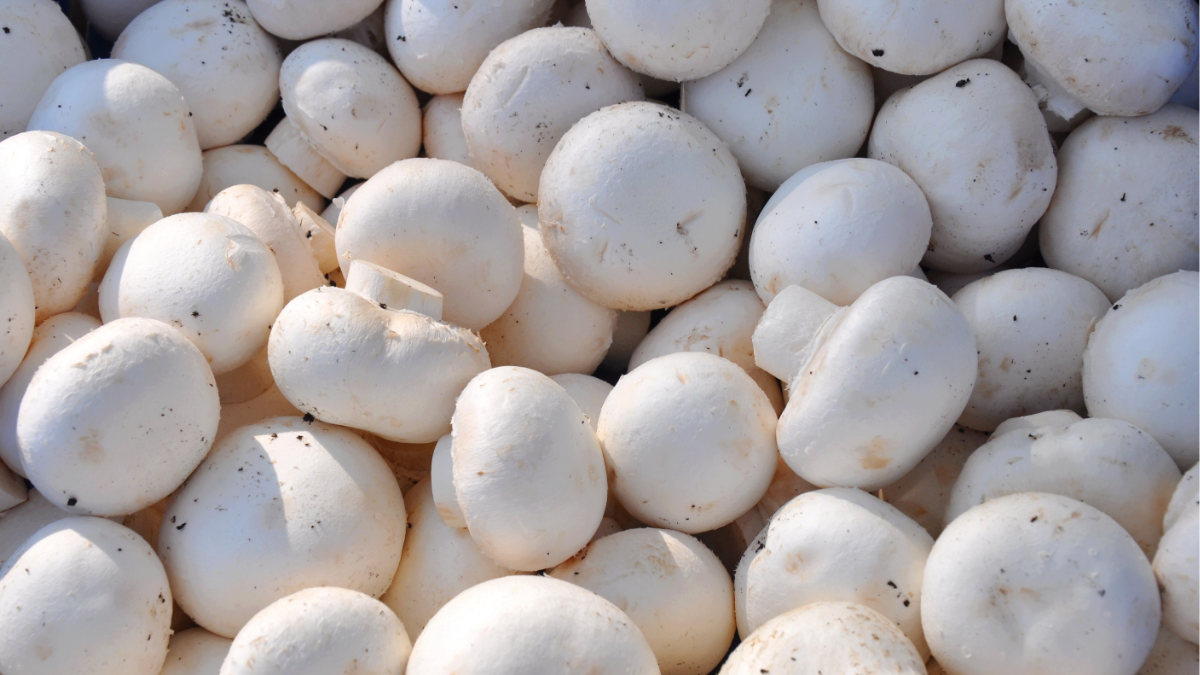
- Button Mushroom: Button mushrooms are the most commonly consumed and widely available variety in the market. They can be easily recognised by their white caps. Their mild flavour makes them ideal for pizzas, salads, and stews.
- Shiitake Mushroom: Shiitake mushrooms have a rich flavour and a meaty texture, which makes them popular in stir-fries, sauces, and soups. They are widely used in East Asian cuisine and are also known for their medicinal properties.
- Portobello Mushroom: Portobello mushrooms are large in size and have a firm texture. They can be grilled or roasted and are often used as a vegetarian substitute for meat in various dishes.
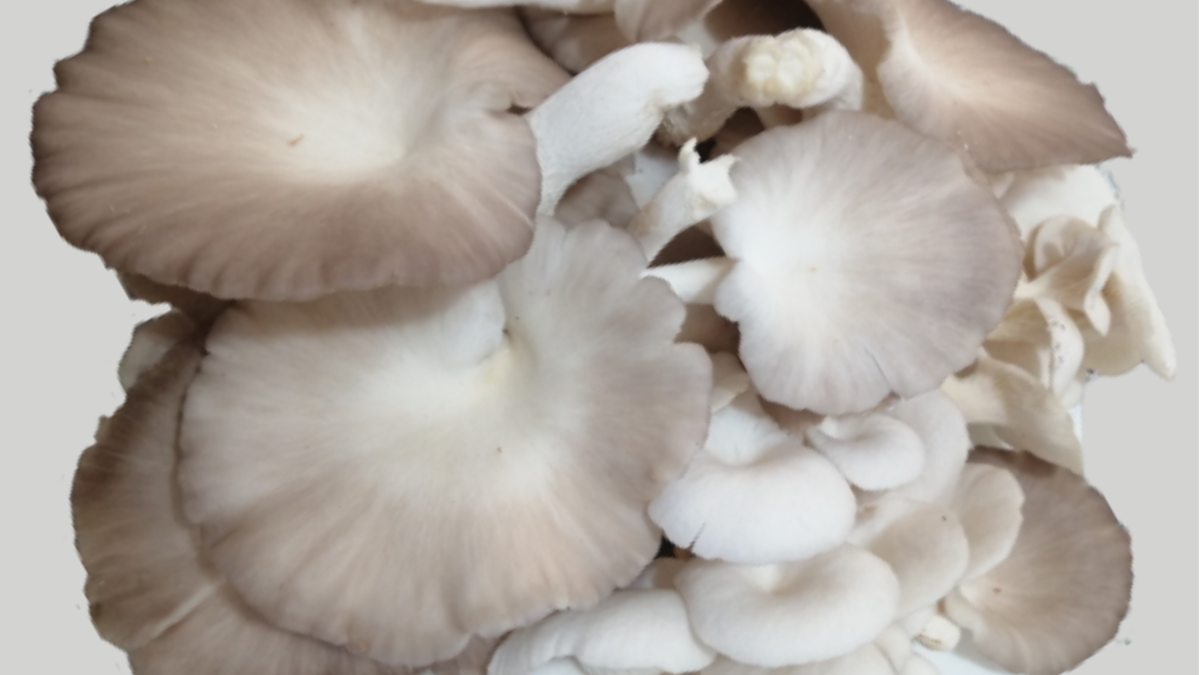
- Oyster Mushroom: Oyster mushrooms are known for their soft texture and mild taste, making them especially popular in Asian cuisine. They also have natural antibacterial properties and are sometimes used in traditional medicinal practices.
- Enoki Mushroom: Enoki mushrooms are long, thin, and white in appearance. They have a mild flavour and a slightly crunchy texture, which makes them a popular choice for salads and soups.
- Chanterelle Mushroom: Chanterelle mushrooms are easily identified by their golden colour and trumpet-like shape. They have a mildly nutty and earthy flavour, making them a favourite ingredient in French cuisine.
- Morel Mushroom: Morel mushrooms are cone-shaped and have a deep, rich flavour. They are commonly used in stews, curries, and soups. Due to their rarity and taste, they are more expensive than many other mushroom varieties and are considered a premium food item.
Mushroom Cultivation Process
Mushroom cultivation is a simple yet careful process that can be easily carried out at home or on a small farm. First, you need to decide which variety to grow, such as button, oyster, or shiitake mushrooms. After that, you purchase good-quality spawn (mushroom seed) from the market and prepare the growing medium, which commonly includes straw, sawdust, or paddy straw.
The medium is then properly boiled or steam-treated to remove infections and contaminants. Once it cools, the spawn is mixed into the medium and filled into bags or trays. These bags or trays are then kept in a clean, humid, and dark room while maintaining proper temperature and moisture levels.
Within a few days, the spawn begins to spread, and small mushrooms start to grow. Harvesting can usually be done within 15 to 20 days, after which the mushrooms are packed and sold in the market. Cleanliness, the right environment, and timely care are the key factors for successful mushroom cultivation.
Button Mushroom
Button mushroom cultivation begins with the preparation of proper compost. If you are growing button mushrooms, you can use natural compost made from wheat straw, horse manure, poultry manure, and gypsum. Alternatively, synthetic compost can also be prepared using urea, ammonium nitrate or ammonium sulphate, bran, and gypsum.
The compost is first mixed thoroughly and allowed to decompose properly, after which it is spread on trays or beds. Then the spawn (mushroom seed) is added to the compost. Once the spawning process is complete, a layer of casing soil is applied on top, which usually consists of garden soil mixed with well-decomposed cow dung.
After about 35 to 40 days of spawning and 15 to 20 days of casing, small mushrooms begin to appear. These mushrooms can be harvested gently by twisting them out of the soil without damaging the surrounding surface.
Oyster Mushroom
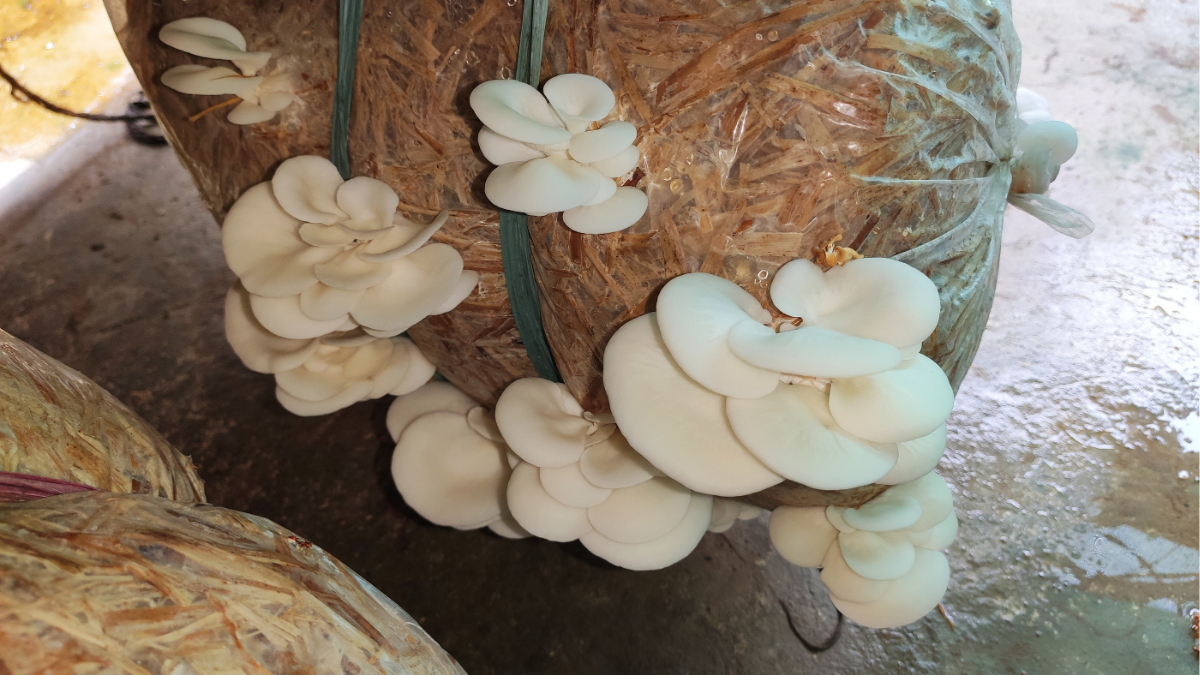
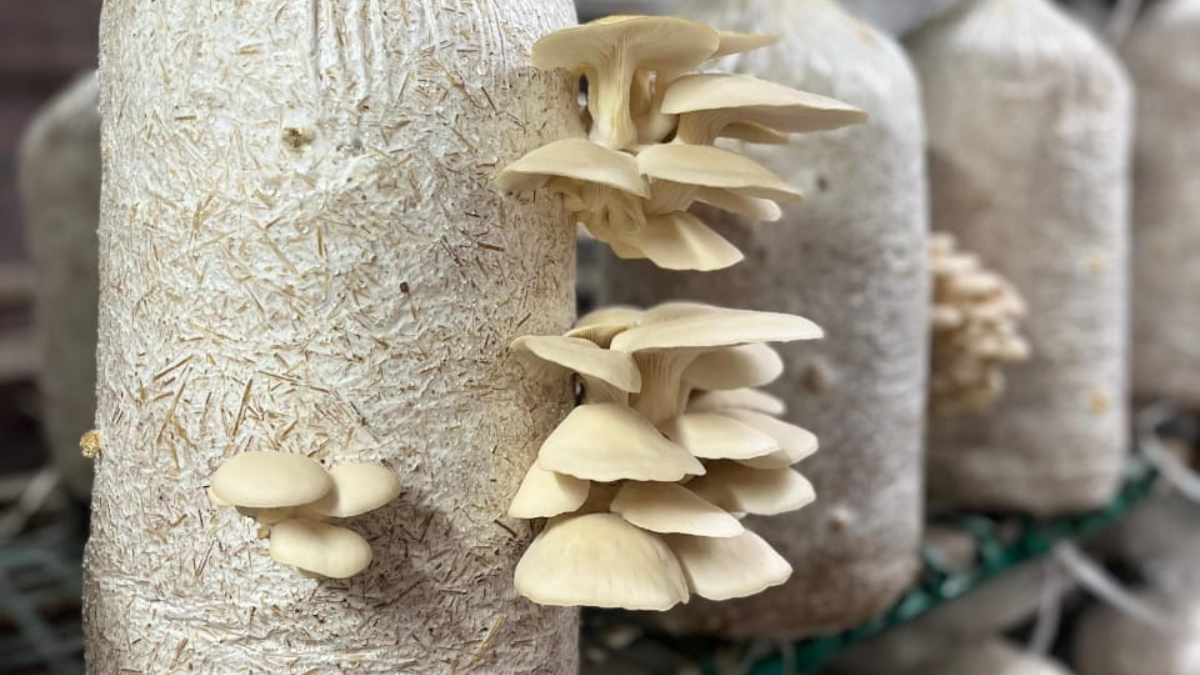
Oyster mushroom cultivation is much easier and more affordable compared to other varieties. It does not require a highly controlled environment, making it suitable for beginners. You can use agricultural waste such as banana plant waste, paper, cotton, and paddy straw to prepare rectangular blocks or polythene bags for cultivation.
The straw is cut into small pieces and soaked in water, then mixed with spawn in an appropriate ratio. After filling the bags, small white pinheads start appearing within 10 to 12 days, and the polythene is removed at this stage. Mushrooms should be watered twice a day to maintain proper moisture.
Once fully grown, they can be harvested in the same way as button mushrooms, by gently twisting them off. Oyster mushrooms are a high-yield and low-cost option, especially ideal for those who are starting mushroom farming for the first time.